Rubber linings protect industrial equipment against corrosion, abrasion, and chemical damage. They also protect storage tanks, pipes, and process vessels, extending equipment life and helping operations run safely and efficiently.
However, even the most durable lining systems can fail over time. Issues such as rubber cracking, chemical exposure, or installation defects can compromise the protective barrier and lead to serious equipment damage.
When these problems develop, early detection through regular rubber lining inspection is critical. Without proper monitoring, small signs of deterioration can escalate into leaks, contamination, and costly downtime.
This blog will walk you through six of the most common rubber lining failure modes, from rubber cracking to rubber lining debonding, what they look like, what causes them, and how to respond quickly.
6 Signs of Rubber Lining Failure to Keep an Eye Out For
From rubber cracking to chemical degradation, the following issues are some of the most common warning signs that a lining system may be failing. Identifying these problems early through routine rubber lining inspection can help facilities avoid major operational disruptions.
1. Rubber Cracking
What it looks like:
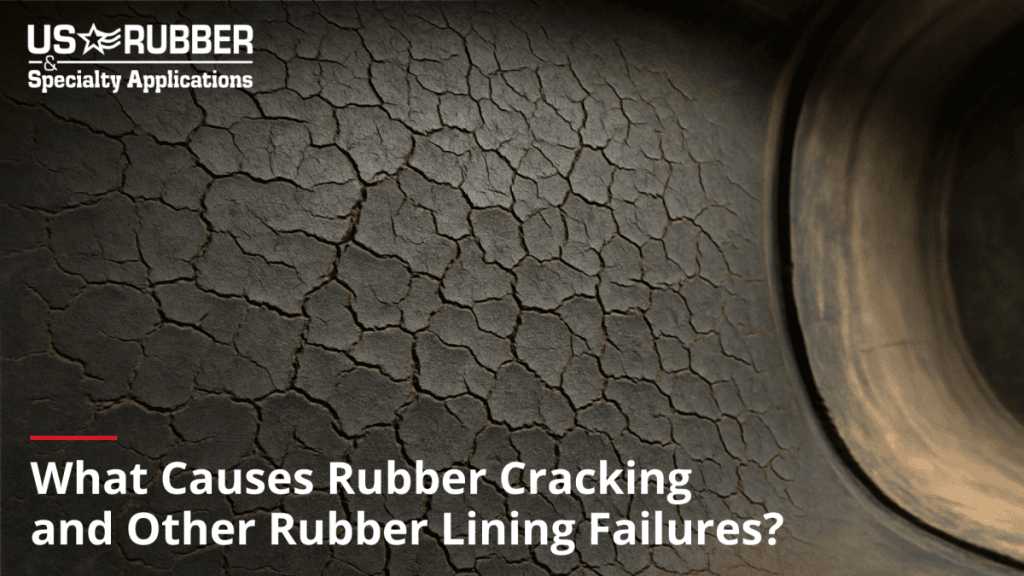
Rubber cracking can appear as surface fractures or deeper structural splits in the lining material. The rubber may appear brittle, flaky, or hardened, especially in areas exposed to sunlight or extreme environmental conditions.
Common causes:
Rubber cracking typically occurs due to prolonged exposure to UV radiation, ozone, or elevated temperatures. Chemical incompatibility, oxidation, and natural aging can also contribute to rubber cracking, particularly in older lining systems.
How to respond:
When rubber cracking is detected, it is important to remove the equipment from service and conduct a professional rubber lining inspection. A lining specialist can determine whether localized repair is possible or if the damage requires a full replacement.
Facilities experiencing severe cracking should consult experienced rubber lining specialists who can evaluate the damage and recommend the appropriate repair solution.
2. Debonding
What it looks like:
Debonding occurs when the rubber lining separates from the steel substrate. You may notice gaps, lifted edges, or bubbles forming beneath the lining surface.
Common causes:
Rubber lining debonding often results from poor surface preparation, contamination beneath the adhesive layer, or incorrect adhesive selection during installation. Over time, corrosion forming beneath the lining can also lead to rubber lining debonding.
How to respond:
When rubber lining debonding occurs, chemicals and moisture can penetrate beneath the lining, accelerating corrosion and increasing the risk of rubber cracking. Immediate shutdown and a professional rubber lining inspection are recommended to assess the condition of the substrate and determine repair options.
3. Blistering
What it looks like:
Blistering appears as raised bubbles beneath the rubber surface. These blisters may contain air, gas, or liquid and often indicate internal pressure or trapped materials beneath the lining.
Common causes:
Blistering can occur when trapped air or solvent becomes sealed beneath the rubber during installation. Over time, permeation of process chemicals can also lead to blister formation and eventual rubber cracking.
How to respond:
Blistering may indicate deeper problems beneath the lining surface. Cutting into the blister during a rubber lining inspection can reveal whether corrosion or delamination is present.
Prompt evaluation by experienced industrial rubber lining experts helps prevent the problem from spreading.
4. Liner Erosion or Wear
What it looks like:
Erosion is typically visible as thinning rubber, grooves, or worn patches in high-flow areas. Over time, continued erosion can expose the steel substrate beneath the lining.
Common causes:
Slurries, abrasive solids, or high-velocity flow can gradually wear down the lining surface. In some cases, improper material selection or poor system design contributes to accelerated wear and eventual rubber cracking.
How to respond:
If erosion is detected, conduct a full rubber lining inspection to determine whether the existing lining material is suitable for the operating conditions. In many cases, upgrading to a more abrasion-resistant compound can help prevent future rubber cracking.
5. Chemical Attack
What it looks like:
Chemical attack can cause rubber to swell, soften, become sticky, or develop surface fractures resembling rubber cracking.
Common causes:
This failure mode typically occurs when the rubber compound is incompatible with the chemicals in the process stream. Over time, exposure to aggressive acids, solvents, or caustic solutions can weaken the rubber structure.
How to respond:
If chemical attack is suspected, stop the process and perform a professional rubber lining inspection to identify the chemical compatibility issue. Specialists can recommend a more chemically resistant compound for the application.
6. Undercure or Overcure
What it looks like:
Improperly cured rubber can exhibit different characteristics. Undercured rubber may feel soft or tacky, while overcured rubber becomes brittle and more susceptible to rubber cracking.
Common causes:
Improper vulcanization during installation is the primary cause of this issue. Incorrect cure times, temperature variations, or uneven heating can all lead to premature lining failure.
How to respond:
Testing during a rubber lining inspection can determine whether the rubber was properly cured. If curing defects are confirmed, the lining may require reprocessing or replacement.
Why Fast Action Matters
Failures such as rubber cracking, blistering, and rubber lining debonding rarely resolve themselves. If ignored, these issues can quickly lead to leaks, corrosion, and equipment damage.
Regular rubber lining inspection and prompt response to early warning signs can significantly reduce repair costs and prevent unexpected downtime.
Facilities that work with experienced lining specialists are better positioned to detect problems early and maintain reliable system performance.
Don’t Wait—Get Expert Help with US RUBBER
Not all lining failures are easy to diagnose. Issues such as rubber cracking or rubber lining debonding may start beneath the surface before becoming visible.
That’s why many facilities rely on experienced industrial rubber lining specialists to conduct professional inspections and recommend the best repair solutions.
At US RUBBER, we bring decades of experience diagnosing and repairing industrial lining systems. From advanced rubber lining inspection services to full tank relining and preventative maintenance, our team helps protect your equipment and keep your operation running safely.
If you suspect rubber cracking or other lining failures, contact US RUBBER today to schedule an inspection or discuss your repair options.